The art form, explained
What is zarzuela? A visitor's guide
Zarzuela is Spain's own musical theatre, with sung and spoken scenes. Where it began, how it differs from opera and where to hear it in Madrid today.
Reserve your table for the evening ↗Quick answer
Zarzuela is a Spanish form of musical theatre that alternates spoken scenes with sung ones, and it grew up in and around Madrid. Unlike most opera it uses spoken dialogue, and its songs range from operatic arias to popular tunes and dances. It thrived from the 1850s to the mid-twentieth century, and Madrid's Teatro de la Zarzuela still stages it. At a dinner such as La Castafiore you hear its songs next to opera arias.
Zarzuela and opera side by side
| Zarzuela | Traditional opera | |
|---|---|---|
| Between songs | Spoken scenes | Sung recitative |
| Began | Spain, 1600s | Italy, late 1500s |
| Language | Spanish | Often Italian |
| Songs | Arias, tunes, dances | Arias and ensembles |
The short version
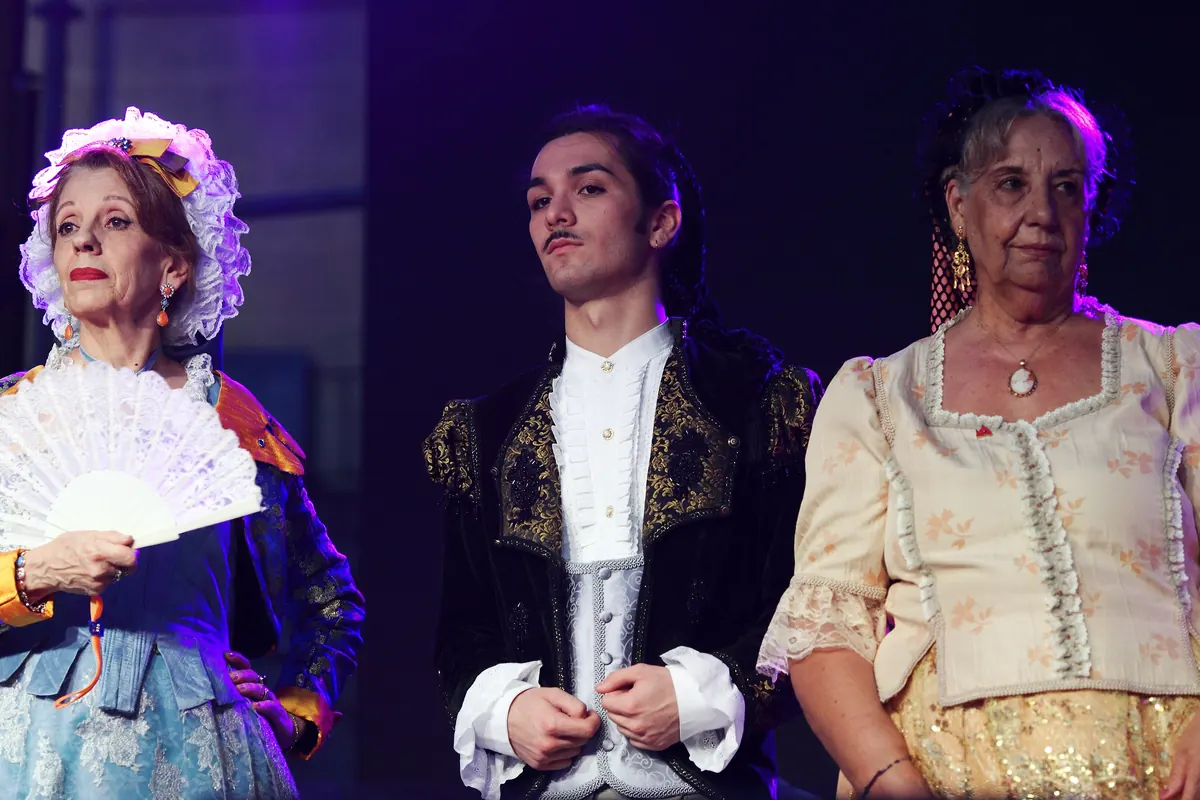
Zarzuela is a lyric-dramatic genre: a scene is spoken, someone sings, a chorus or a dance joins in, and the plot moves on. It is closer in spirit to an operetta or a musical than to an opera sung from first note to last, and it is performed in Spanish. In Madrid's Spanish the z sounds like th, so say thar-THWEH-lah. The Teatro de la Zarzuela calls it a living genre that shows many sides of Spanish life in a theatrical and funny way, and says it was born in Madrid. Its history page adds that the genre shares its golden age with opera and with spoken theatre in the nineteenth century, and later with the cinema, which is a useful way to picture how popular it once was.
Where the name comes from
Wikipedia says the etymology is uncertain. One proposal is that the word comes from the Palacio de la Zarzuela, a royal hunting lodge near Madrid where such entertainments were allegedly first presented to the court, and that the palace was named after the brambles, zarzas, growing there. The theatre's own history page places the earliest sung works of Calderón de la Barca, with music by Juan de Hidalgo, at that palace in the seventeenth century. Either way, the name is Spanish and so is the form.
Baroque, then Romantic
Two main periods are usually distinguished. Baroque zarzuela runs from about 1630 to 1750, with mythological plots mixed with rustic comedy. After a stretch in which Italian opera dominated Spanish stages, writers and composers revived the form in the 1850s, and the Romantic zarzuela that followed lasted until about 1950. That second period produced the best-known titles, and most of the repertoire you are likely to hear today dates from it.
Little genre, grand genre
Romantic zarzuela divides into two main branches. The género chico, the little genre, is short, usually one act, and filled with popular Madrid characters; it grew from the habit of selling theatre by the hour in the 1870s. The género grande, the grand genre, runs to three acts and comes close to grand opera. Wikipedia notes that the longer works could last up to four hours, which is one reason highlights work well in a dinner setting. The little genre, by contrast, was written for audiences of every social class, with simple love stories and stock Madrid types such as the idler and the flirt.
Madrid on stage
Many zarzuelas are set in Madrid and use its street slang. The Teatro de la Zarzuela singles out La verbena de la Paloma, Agua, azucarillos y aguardiente and La revoltosa as the typical Madrid works, written in the city's castizo, very local, language. La verbena de la Paloma, from 1894, takes place on the night of the festival of the Virgin of la Paloma, on 14 August.
Read next: Six zarzuelas to know before dinner
How it differs from opera
Traditional opera is sung throughout: recitative carries the plot and arias carry the feeling. Zarzuela replaces much of the recitative with spoken dialogue, as the German Singspiel and the French opéra comique also do, and keeps arias, ensembles, choruses and dances. Its songs run from full operatic solos, called romanzas, to popular tunes. That is why a zarzuela can feel lighter on its feet than an opera, and why the two sit comfortably together in one evening. Wikipedia describes zarzuela as the native-language alternative that Spain's monarchs set beside the Italian operatic form, so it grew as a rival tradition rather than a copy of opera.
A genre that nearly vanished
The Spanish Civil War brought a decline, and the last Romantic zarzuelas were written in the 1950s. Wikipedia says the live genre almost disappeared after the Second World War, while radio, television and recordings kept the repertoire in people's ears; Spanish television even ran a popular series of programmes called Antología de la zarzuela. The Teatro de la Zarzuela insists the genre is alive and says it still stages the best works of its repertoire and premieres new ones. That long afterlife is why the genre still has fans in Madrid.
Where to hear it in Madrid
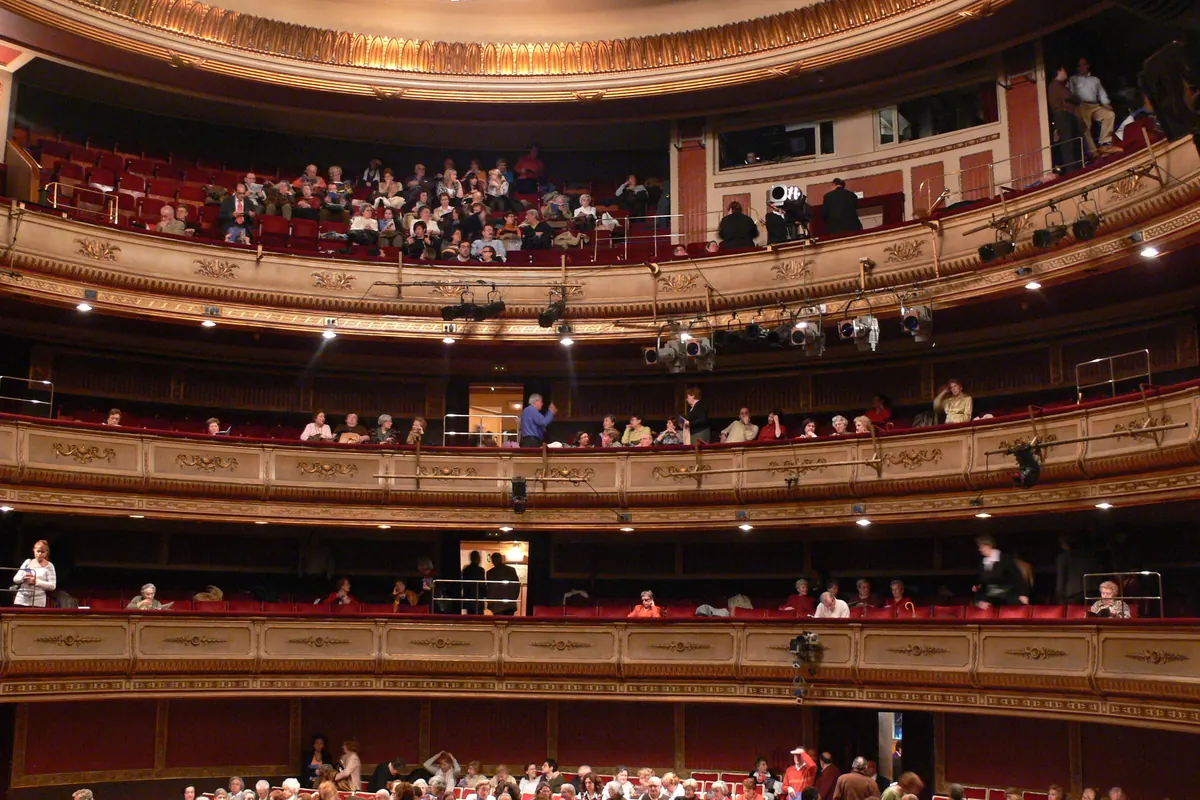
The Teatro de la Zarzuela, opened on 10 October 1856 beside Calle de Alcalá, is the home theatre. Its own history page calls it the first and only theatre created exclusively for the genre, and it was declared a national monument in 1994. The programme changes with the season, so check the theatre's calendar. A dinner at La Castafiore is the other way in: a compact, sociable sample of the songs, sung by waiters, with opera arias between the courses. The theatre's site lists a season of productions, concerts and dance, and a box office, so a visitor can plan before arriving.
Listening before you go
You do not need to prepare. If you like to, look up a recording of La verbena de la Paloma or La revoltosa, the typical Madrid works, and listen for the way spoken lines slip into song. Those titles are examples of the genre, not a promise about any dinner's repertoire, which belongs to the restaurant and can change from night to night. Treat the music as a first acquaintance, then follow what you enjoy. A short recording is enough; the aim is to recognise the sound of a spoken line sliding into a song, not to learn a plot.
Beyond Madrid
Zarzuela spread to Spanish-speaking countries, and Wikipedia notes that several developed traditions of their own. Catalonia wrote librettos in Catalan and built what it calls its lyric theatre, while Cuba had a golden age of zarzuelas with Afro-Cuban themes, among them Gonzalo Roig's Cecilia Valdés. In the Philippines, where the form arrived in 1878, performers soon adapted it into local languages. Madrid's version is the oldest line of the family, and the one a visitor meets in the capital.
Who this isn't for
Skip the deep dive if you only want a good dinner with music; the evening works without any background. If you want a complete staged zarzuela with a full chorus and orchestra, go to the theatre, not a restaurant. And if you need an English translation of every line, know that zarzuela is written in Spanish, so the music and the acting carry much of the meaning for a visitor.
Frequently asked questions
What does zarzuela mean?
It is the name of a Spanish musical-theatre genre. The word may come from the Palacio de la Zarzuela, a royal hunting lodge near Madrid named after brambles, though Wikipedia calls the etymology uncertain. The genre then took the name of that place.
Is zarzuela the same as opera?
No. Zarzuela mixes spoken scenes with songs, dances and choruses, where traditional opera is sung throughout. Operatic solos called romanzas sit inside it, which is why the two feel related and why a single evening can hold both.
Is zarzuela only Spanish?
It began in Spain and spread to Spanish-speaking countries, with Cuba and Mexico developing their own traditions. The Philippines and Catalonia have versions of their own too, written in local languages.
How long is a full zarzuela?
It varies. The grand genre ran to three acts and up to four hours, while the little genre is a one-act piece fitted into an hour of theatre. A dinner gives you highlights instead of a complete work.
Do I need to understand Spanish?
No, though it helps. Zarzuela is performed in Spanish, and the music and acting carry much of the mood. At the dinner, opera arias sit alongside it, so a visitor still hears familiar names.
Where can I see a full zarzuela in Madrid?
At the Teatro de la Zarzuela, which opened in 1856 and stages the genre. Check the theatre's own calendar for the current season and buy from the theatre.
Sources